Why Scrunch Leggings Sit Differently at the End of a Squat Session
Quick Answer: Scrunch panels are gathered fabric held by a curved seam, and deep knee and hip flexion pulls that gathering downward and outward with every rep. Over a session it migrates. Higher-set scrunch seams, more elastane, and a firm waistband all reduce the movement; low-set scrunch on a low-rise waistband moves most.
Set one looked exactly like the product photo.
Set four looked like a different pair of leggings, and nothing about your body changed in between.
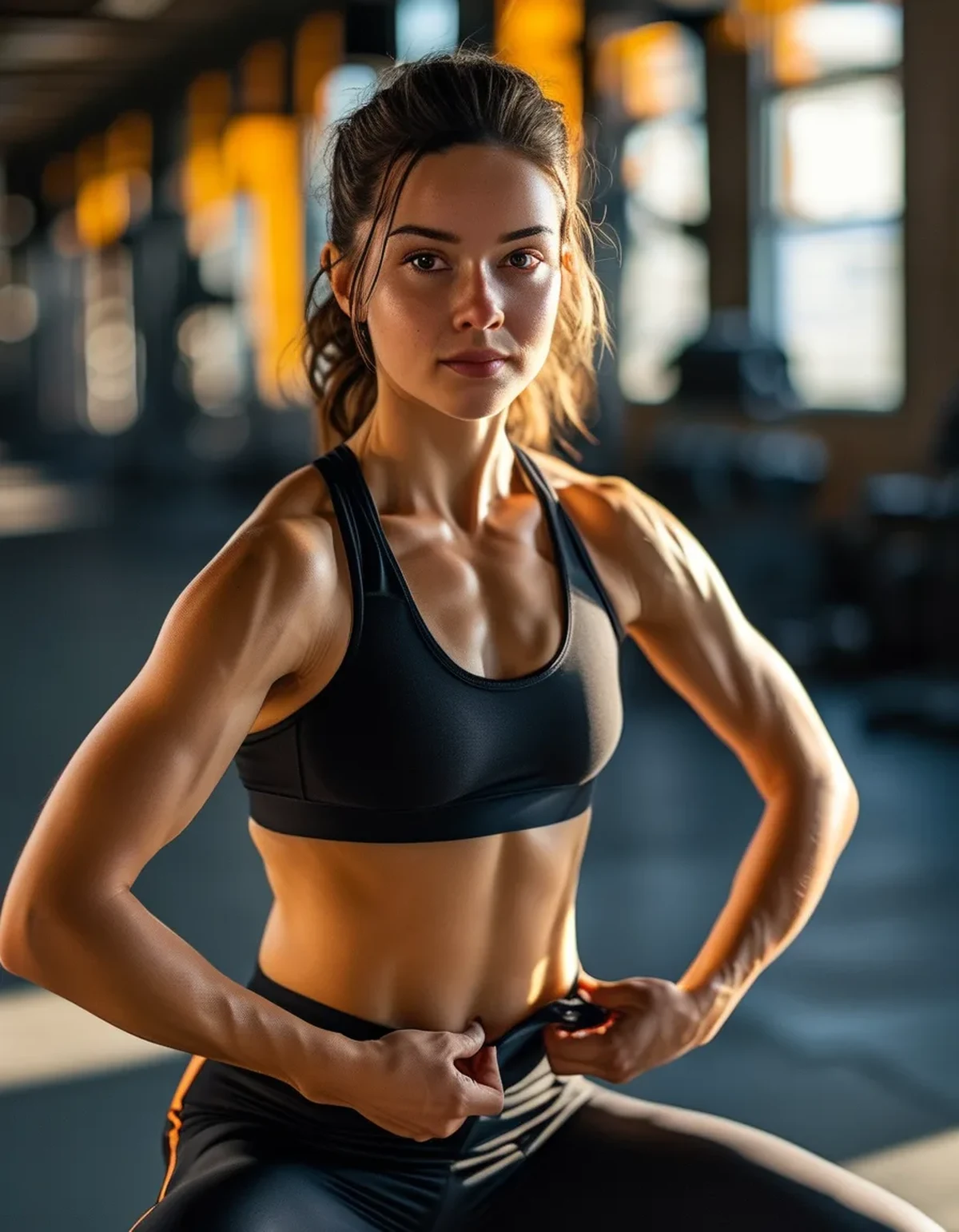
What actually makes the scrunch move?
The scrunch is gathered fabric, and gathering is not fixed in place. The seam holds the gather at its edges, but the fabric between those edges is free to redistribute under load.
Deep flexion stretches the back of the leg significantly. A full-depth squat lengthens the fabric across the glutes and hamstrings by a substantial margin, and that stretch pulls gathered fabric toward the areas under most tension.
Each rep moves it a little and nothing moves it back. Fabric returns most of the way but not all, so the displacement accumulates across sets rather than resetting between them.
Friction against skin decides how much returns. Damp skin grips fabric more, which is why the migration is usually worse later in a session than earlier.
Seam placement is the largest single variable. A scrunch seam set high and close to the centre has less fabric below it to migrate; a low, wide scrunch has considerably more.
And the waistband anchors the whole system. A high-rise waistband that holds position keeps the fabric above the scrunch stable; a low or loose one lets the entire back panel shift and takes the scrunch with it.
Which construction holds position best?
Higher elastane content, generally 20 percent or more, recovers more fully between reps and holds gathering in place better than a low-stretch blend.
A firm, wide, high-rise waistband does more for scrunch stability than any feature of the scrunch itself, because it anchors the fabric the scrunch depends on.
Ribbed and textured knits grip themselves and the skin more, which reduces migration compared with very smooth compression fabrics - a real trade-off, since smooth fabrics feel better and move more.
A shorter scrunch panel moves less simply because there is less gathered fabric available to redistribute.
Cut-and-sew construction with a properly locked seam holds better than a bonded or seamless scrunch, which achieves the effect through knit structure and has less to hold it in place under repeated deep flexion.
And squat-proof and scrunch-stable are not the same property. Squat-proof describes opacity under stretch; scrunch stability describes whether gathering stays put. A legging can be excellent at one and poor at the other.
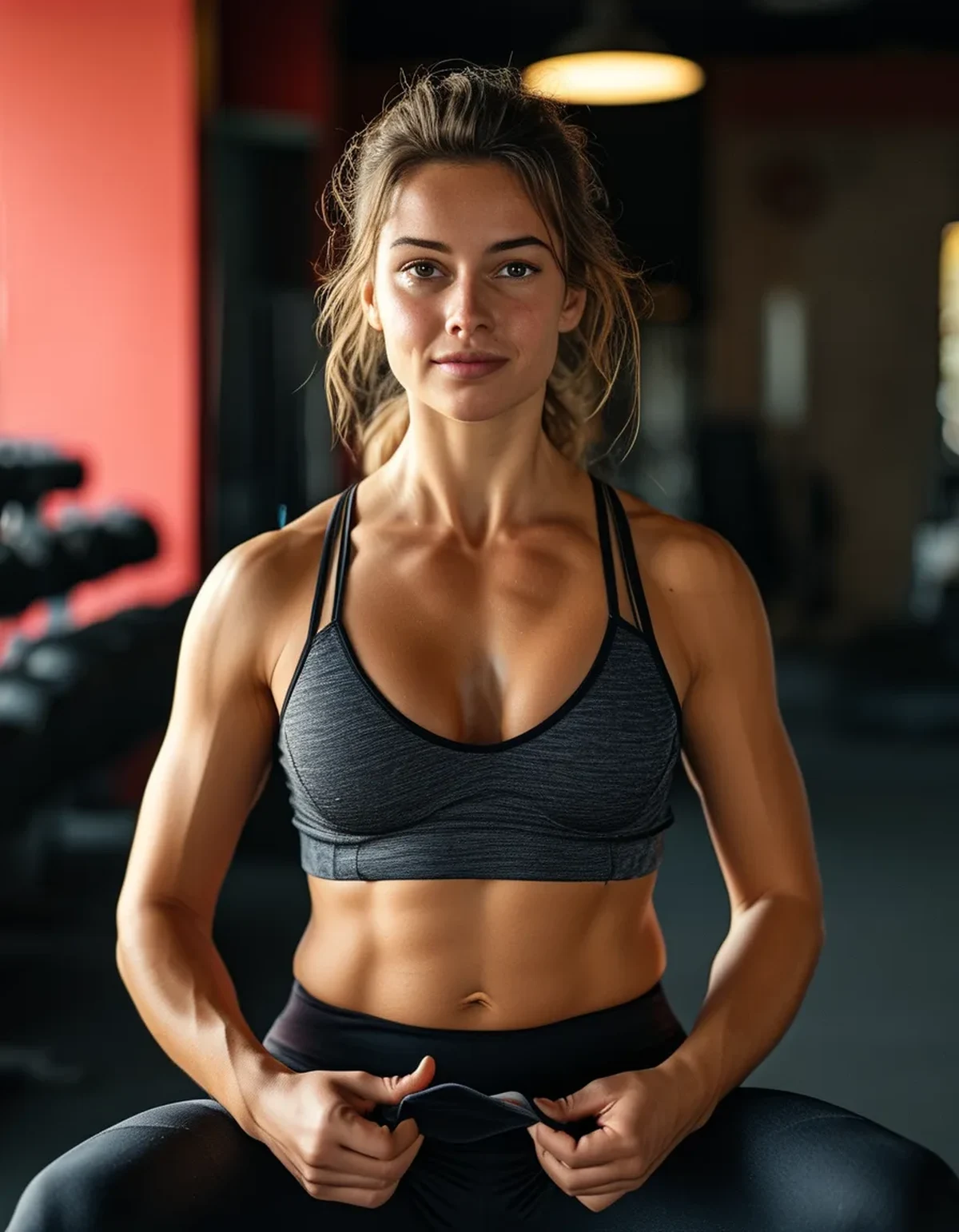
How to test a pair before you commit to them
Do ten bodyweight squats to full depth in the changing room, not two. Migration is cumulative, and two reps will not show it.
Check from the side as well as behind. Scrunch that has moved downward is more obvious in profile than in the rear view most people check.
Add a few walking lunges, since single-leg movement loads each side asymmetrically and reveals whether the scrunch moves unevenly - which is much more noticeable than an even shift.
Check the waistband after those reps. If the waistband has rolled or dropped at all, the scrunch will migrate regardless of how well it is constructed.
Do it in the fabric’s warm state if you can. Cold-store fabric behaves slightly differently, and the honest test is closer to how it will behave mid-session.
And check the seam placement against your own proportions. Scrunch is positioned for an assumed torso and leg ratio, and the same pair sits differently on different bodies - which is why recommendations transfer poorly between people.
FAQ: Scrunch Leggings and Movement, Answered
Why does the scrunch move during squats?
Because it is gathered fabric held only at the seam edges, and deep flexion pulls that gathering toward the areas under most tension. Each rep displaces it slightly and it does not fully reset.
Does it get worse as the session goes on?
Usually yes. Damp skin grips fabric more, so less of the displacement returns after each rep, and the effect accumulates.
What construction holds position best?
High elastane content, a firm high-rise waistband, a shorter scrunch panel, and properly locked cut-and-sew seams. Ribbed knits grip better than very smooth compression fabrics.
Is squat-proof the same as scrunch-stable?
No. Squat-proof describes opacity under stretch; scrunch stability describes whether the gathering stays where it started. A pair can be excellent at one and poor at the other.
How should I test them in a shop?
Ten full-depth squats plus a few walking lunges, checked from the side as well as behind. Two reps will not reveal cumulative migration.
Does washing change how much it moves?
Over time, yes - degraded elastane recovers less between reps, so an older pair migrates more. Cold washing and air drying slow that considerably.
Does body proportion matter?
A great deal. Scrunch seams are positioned for an assumed torso and leg ratio, which is why the same pair sits differently on different people and why recommendations transfer poorly.
TL;DR:
- Scrunch is gathered fabric held only at the seam edges, and deep flexion redistributes it a little with every rep.
- The displacement accumulates across sets, and damp skin later in a session makes it worse.
- A firm high-rise waistband does more for scrunch stability than any feature of the scrunch itself.
- Higher elastane, shorter scrunch panels, ribbed knits, and locked cut-and-sew seams all hold position better.
- Squat-proof means opacity under stretch, which is a completely separate property from scrunch stability.
Test with ten full-depth squats and a few lunges, checked from the side. Two reps will never show you cumulative migration.
See It in Motion
Seen here: High Waist Yoga Leggings with Side Pockets — shop it on bubblelime.com
Keep Reading
This article is for general informational and styling purposes only. Fit, sizing, and product availability may vary.